
Urban Design Science for Health Lab
The Urban Design Science for Health Lab advances scientific research on built environments and population health. Established in 2022, the lab brings together urban design, public health and spatial science to investigate how the places where people live, work and move relate to health and well-being. The research programme spans neighbourhoods, street networks, public open spaces, workplaces and wider urban environments. It addresses physical activity, sedentary behaviour, cardiometabolic health, mental health, healthy ageing and health inequalities. Across these areas, the lab develops and applies spatial, epidemiological and environmental approaches to generate evidence relevant to design, planning and population health.
A distinctive strand of the programme advances urban design as a more explicitly scientific field. Research examines how environmental characteristics are conceptualised and measured, how relationships between environments and health are interpreted, and how evidence can be translated into spatially meaningful design knowledge. Established approaches include spatial analysis, space syntax, environmental measurement and epidemiological research. The programme also develops and critically evaluates emerging approaches to health-supportive urban design. Current work includes parametric urban design and applications of artificial intelligence. These approaches are examined not simply as new technologies, but in relation to their scientific validity, spatial specificity, accuracy and ethical implications.
The programme builds on an established international research record across urban design, public health and related fields. This wider body of work includes publications in Nature, Nature Reviews Cardiology, The Lancet Planetary Health, Cities, British Journal of Sports Medicine, Landscape & Urban Planning, Health & Place and other leading journals, alongside competitive research funding and extensive international collaboration. Through research, postgraduate training and international academic exchange, the lab seeks to strengthen the scientific foundations of health-supportive urban design. Its broader objective is to develop evidence that can connect environmental characteristics with population health while remaining sufficiently precise to inform decisions about the design and planning of places.
Research Areas: Urban design science | Built environments and population health | Spatial analysis | Active living and mobility | Public space and urban nature | Workplace health | Cardiometabolic and mental health | Health inequalities | Healthy ageing | Environmental measurement | Parametric urban design | Artificial intelligence.
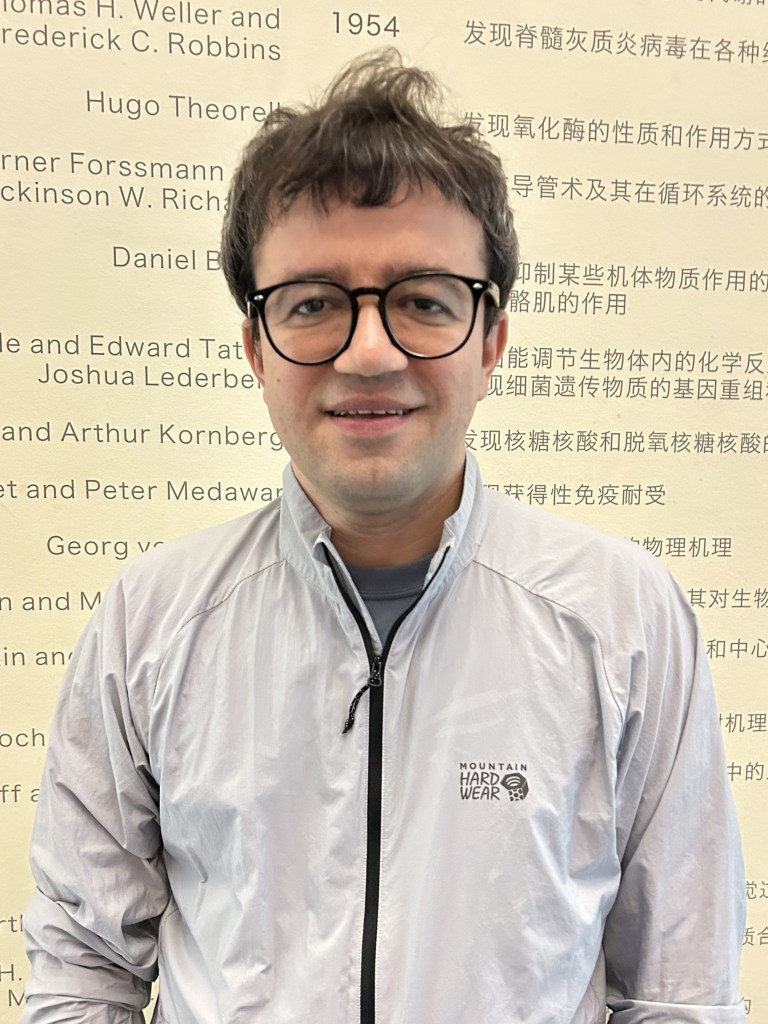
KOOHSARI Javad, PhD (Urban Design), PhD (Sports Science)
Founder & Director | Urban Design Science for Health Lab
Top 2% Scientist (Stanford/Elsevier Global List, 2021–2025)
Google Scholar | ORCID | Scopus | Web of Science | ResearchGate | ResearchMap